Spiders, Shapes, and the Math Hidden in Play
“Will you walk into my parlor,” said the spider to the fly, “it’s the prettiest little parlor that ever you did spy.” I hear five-year-old Jaxon reciting this line from The Spider and the Fly by Mary Howitt and Tony DiTerlizzi in his very best crackly voice, then he’s off again, dashing away to gather his friends.
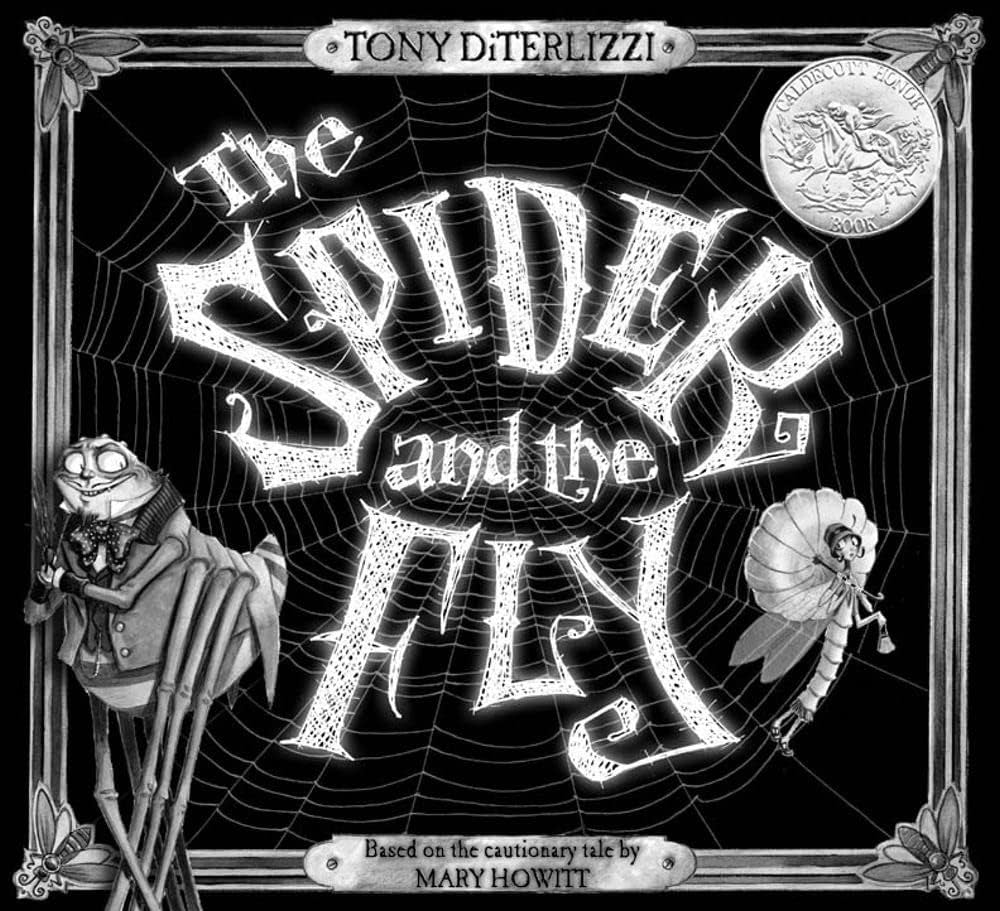
Our outdoor classroom has been booming with spider webs—tiny works of art spun across branches, fences, and blades of grass. Some are classic spirals, others are flat and stretched low to the ground, but all of them are full of math and engineering magic. The children have become expert web-spotters, though Jaxon is usually the first to notice. “There’s a new spider web by the garage!” he shouts, and friends gather, eyes wide, voices buzzing. An investigation of spiderwebs, shapes, and designs hiding in plain sight has brought the curriculum to our doorstep once again. “Look!” he says. “Walter must’ve been busy!” The children believe nearly every spider web we find was made by “Walter,” named after a beloved spider from one of our many books about spiders.
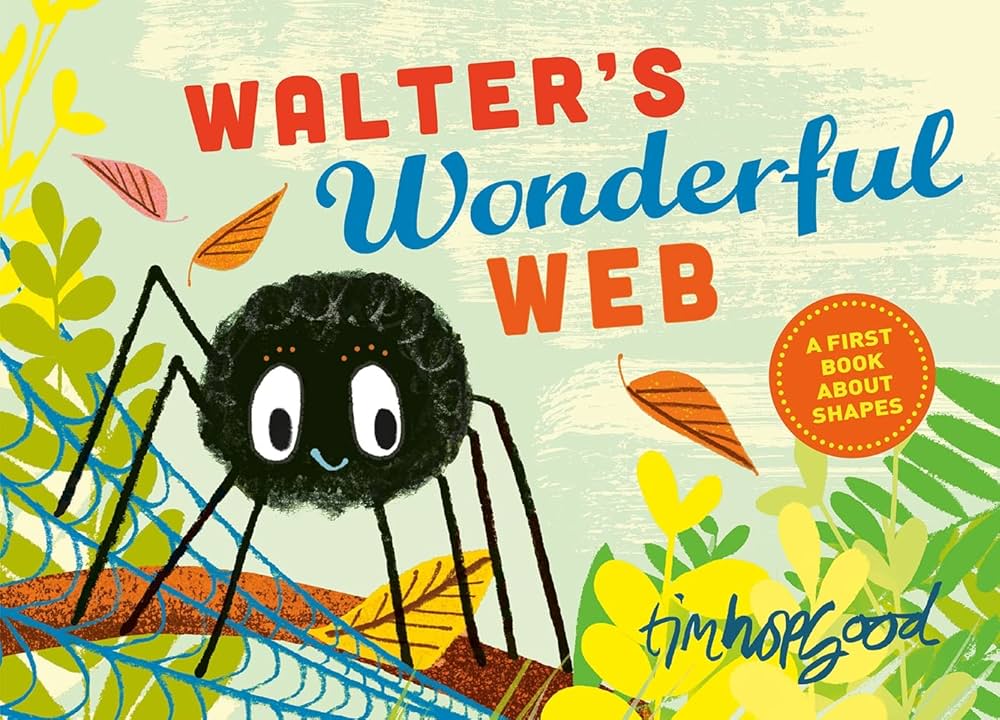
“It’s kind of like a circle, but it has triangles hiding inside,” says Leo. “It’s got that spiral in the middle,” notices Sophia. “That’s the sticky part, remember? It’s like glue, to trap the flies and other bugs.” “Oh yeah. That frame and the spokes aren’t sticky, so the spider won’t get stuck when he’s making his web,” Molly recalls. “Radials! You always forget that word!” The gang laughs. Molly either just can’t remember the word radials or loves the attention she gets from saying spokes. Either way, it reinforces vocabulary and builds friendships. “I want to see them measure with their legs someday,” Jonas says quietly. “We always miss that part.”
These moments are rich with math talk, observation, and collaboration. The children aren’t just looking; they’re analyzing, comparing, and hypothesizing.
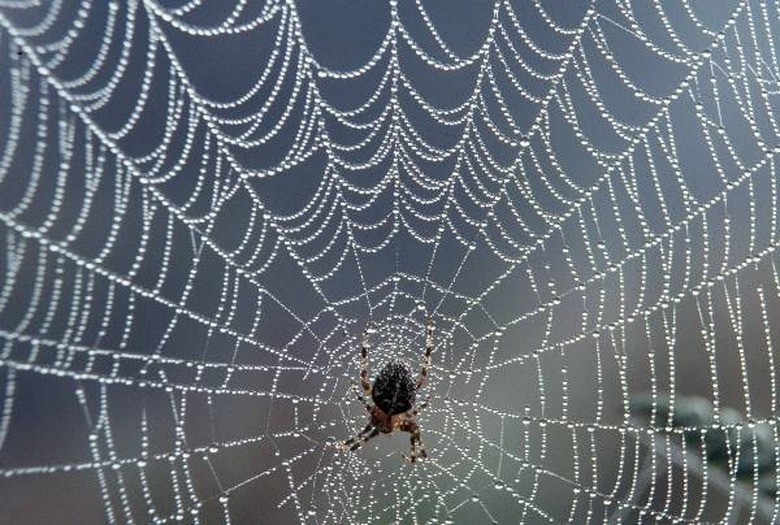
“Do you think this part looks like it was broken from the wind, and then he fixed it?” Marco asks, pointing to a pattern that looks damaged but possibly repaired. “It broke, just like Walter’s!” says Leo. “I bet it didn’t have enough triangles.” “Triangles are strong,” Sophia agrees. “Like that climbing thing at the park. It’s full of triangles.” “And the bridge has triangles! That’s why bridges, towers, and some spider webs don’t collapse,” Micah adds. Micah’s dad is an engineer, and clearly, this knowledge has been passed along. “My dad said to think of spiderwebs like a bridge across the river. The garage and the post are like the land, and all this…” he says, waving his hand in front of the web, “is the spider making the bridge. A bridge lets cars cross the river, and spider webs catch bugs for the spider to eat for lunch!”
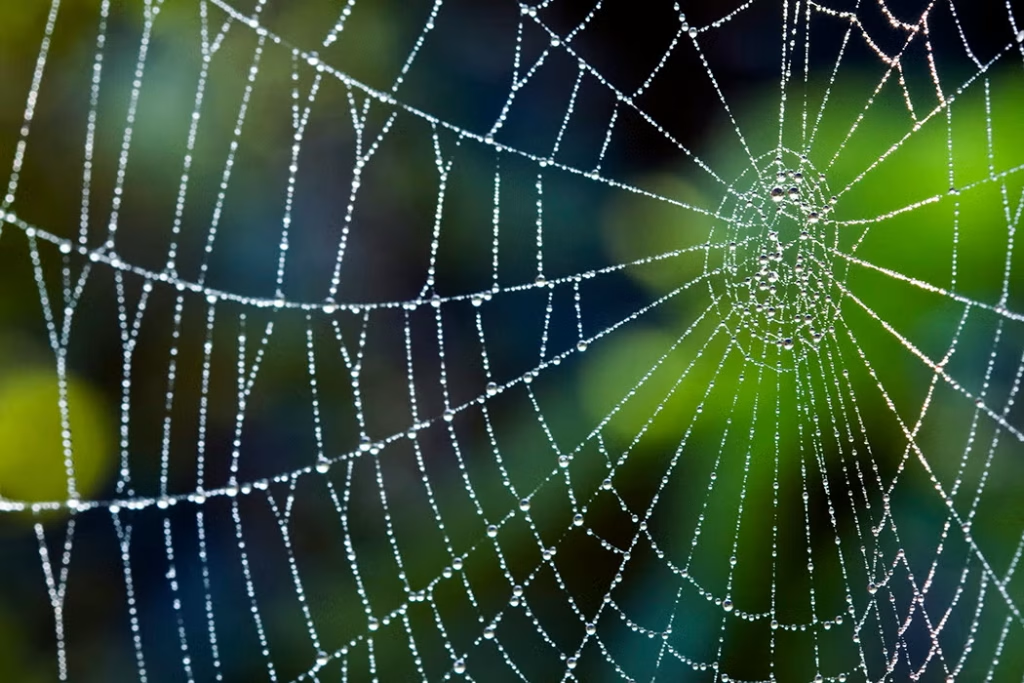
This math moment comes from nature. Children build important math concepts by investigating and sharing their ideas. Because the ideas come from their own curiosity, learning feels natural and meaningful. They don’t just learn that a triangle has three sides—they discover that triangles are strong and make a great base for buildings and bridges. Geometry becomes a way for them to understand the world around them.
The children stand silently, observing. One by one, they move on to casting shadows, building sandcastles, and counting how many acorns fit in a pocket.
Tomorrow, there will be new webs to find, and maybe new shapes to name. Early math doesn’t always look like counting blocks or pattern cards. Sometimes, it looks like a group of children huddled around a spider web, finding geometry in the quiet beauty of nature.
“It’s the prettiest little parlor that ever you did spy. The way into my parlor is up a winding stair. And I have many curious things to show you when you are there.” Great book, great math moments!
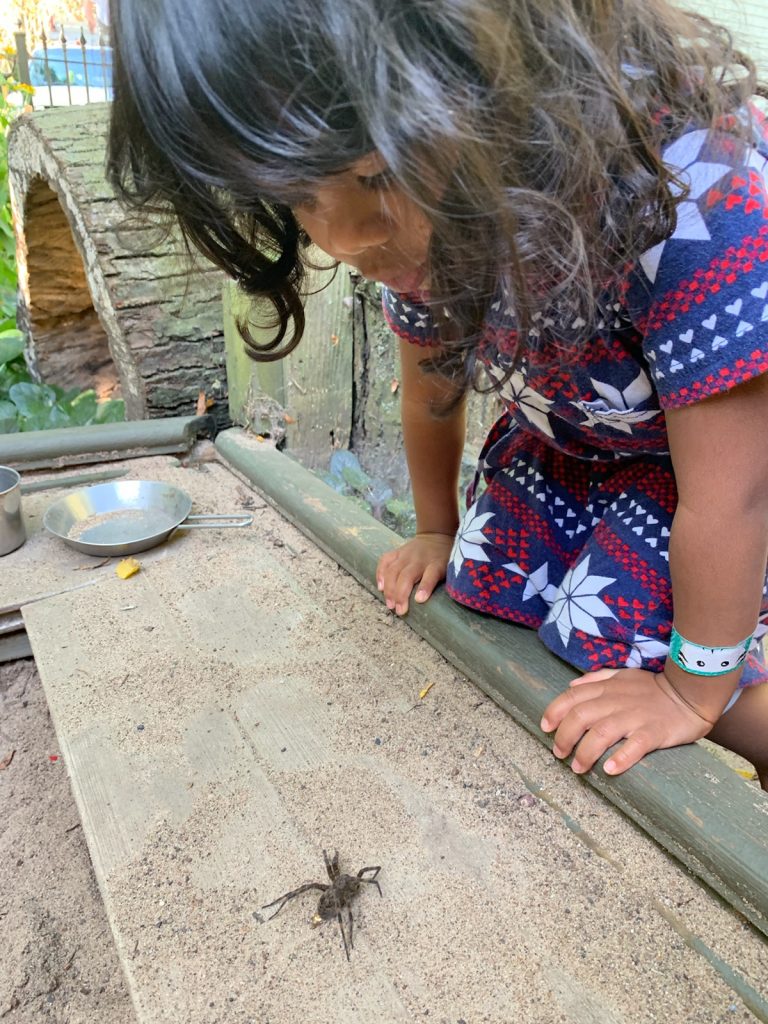
This is a great concept for children to learn their shapes, size of a spider, and counting the legs on a spider.
My children love looking at the new webs the spiders create outside our building each day. I’m excited to incorporate some of these ideas into our conversations.
Jaxon reciting The Spider and the Fly and then spinning shape talk out of it is exactly what early math should look like. I build math tools for young students, and the hardest part is protecting the math already inside their play instead of replacing it with worksheets.